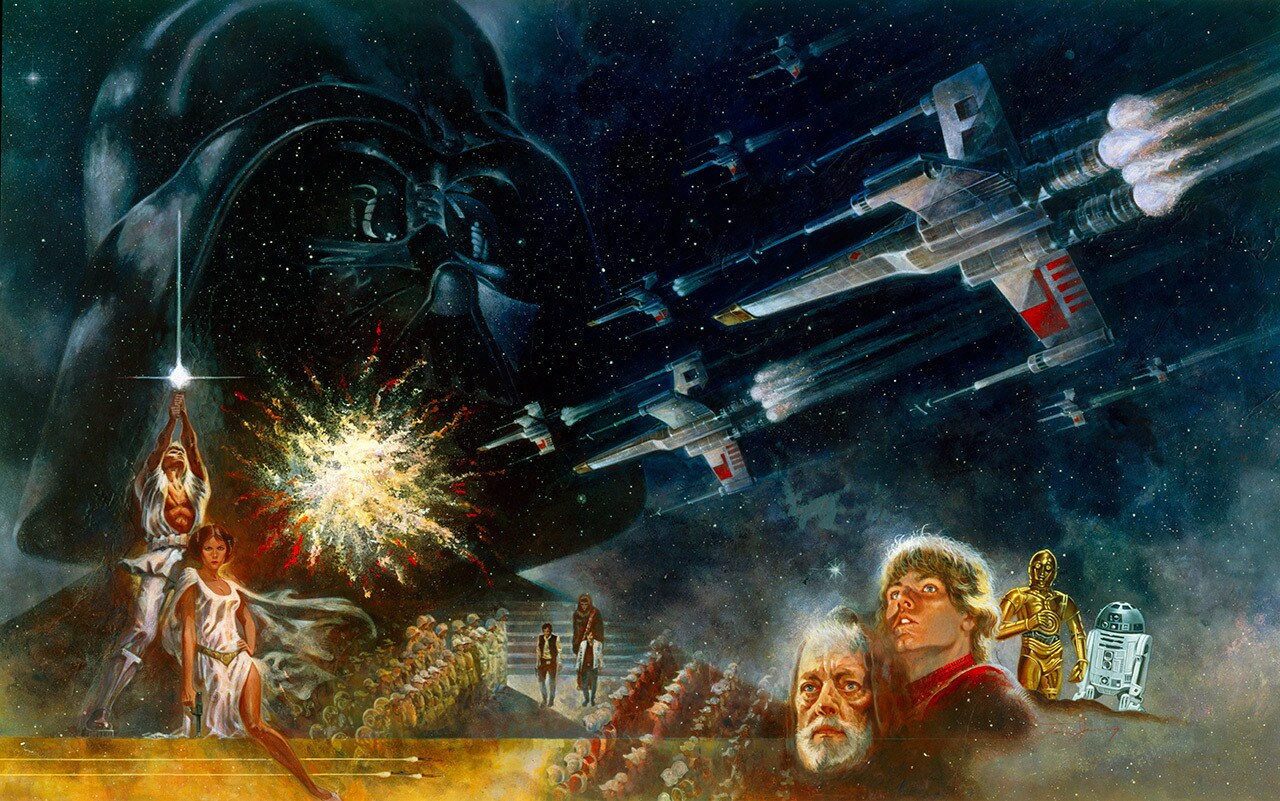
A long time ago… we introduced Star Wars to a new generation of fans.
We kept things simple. We started with Episodes IV–VI (and yes, the De-Specialized Editions!), then moved back to Episodes I–III, and eventually into The Clone Wars. From there, we just kept up with whatever the galaxy far, far away threw at us in real time.
Now, there is practically an entire galaxy’s worth of official Star Wars content out there: books and comics, spanning both the current and formerly-known-as-the-Expanded Universe-now-retconned-as-Legends; video games; Lego versions; and so much more! There’s enough content to overwhelm even committed fans, let alone someone coming in fresh.
So if you’re introducing Star Wars to someone for the first time, what would you recommend them to watch in a way that gives the best possible experience?
Why Not Just Follow Disney’s Lists?
Disney offers two comprehensive lists – the release order (i.e. when the films and TV shows were released) and the chronological order (i.e. watching the shows based on the internal timeline of the Star Wars universe). Both can be useful but may still not be ideal for first-time viewers:
- The chronological order front-loads the prequels and completely spoils the biggest reveal in the saga.
- Release order preserves that reveal, but gives you whiplash over its reversed narrative arc.
That’s why we’re fans of the Machete Order, first popularized by Rod Hilton back in 2011. Its premise is simple: Start with Luke, preserve the twist, use the prequels as a flashback midway. We think the idea still works, but we’d do things a little differently.
The Canon – Start Here
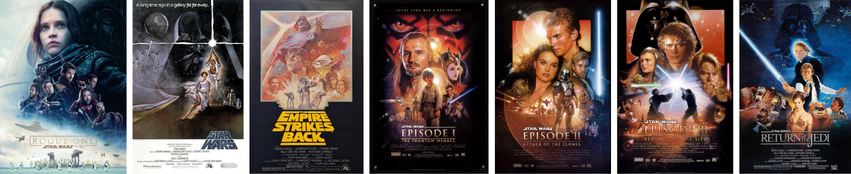
If we were introducing Star Wars today, this is the order we’d use:
- Rogue One: A Star Wars Story (2016)
- Star Wars: A New Hope (Episode IV) (1977)
- Star Wars: The Empire Strikes Back (Episode V) (1980)
- Star Wars: The Phantom Menace (Episode I) (1999)
- Star Wars: Attack of the Clones (Episode II) (2002)
- Star Wars: Revenge of the Sith (Episode III) (2005)
- Star Wars: Return of the Jedi (Episode VI) (1983)
This is, for all practical purposes, the core Star Wars experience. If you watch this, you’ll understand the heart of the entire franchise.
We think this order works best because:
- Starting with Rogue One sharpens the stakes immediately. You see the Galactic Empire as oppressive and dangerous, while the Rebellion is fragile and costly. So when you move into A New Hope, the opening crawl makes more sense – you’ve already seen what it took to get those Death Star plans and how to blow it up. Also, there’s an end-sequence that’ll blow you away!
- Episodes IV–V anchor the story around Luke. This is still the cleanest entry into the saga. You meet Luke Skywalker, discover the galaxy alongside him, and hit the iconic reveal at exactly the right moment, unspoiled and fully intact.
- The prequels become a flashback, not a starting point. After Empire, you pivot to what led Darth Vader to become who he is.
- Including The Phantom Menace here is a deliberate choice. While the original Machete Order cuts it, we’re keeping it in because it properly introduces the Skywalker origins, establishes key relationships and, importantly, introduces Darth Maul, who becomes far more significant in the galaxy far, far away – especially if you plan to explore The Clone Wars and Rebels animated series later.

- Return of the Jedi lands as a true payoff. Now, by the time you reach Episode VI, the added context makes the finale more satisfying without disrupting its momentum.
Prioritized Supplementals
You don’t really need to watch these, but you’ll gain a lot if you do. It is quite the time investment though, especially since some of these are multi-season TV series.
The Clone Wars Arc
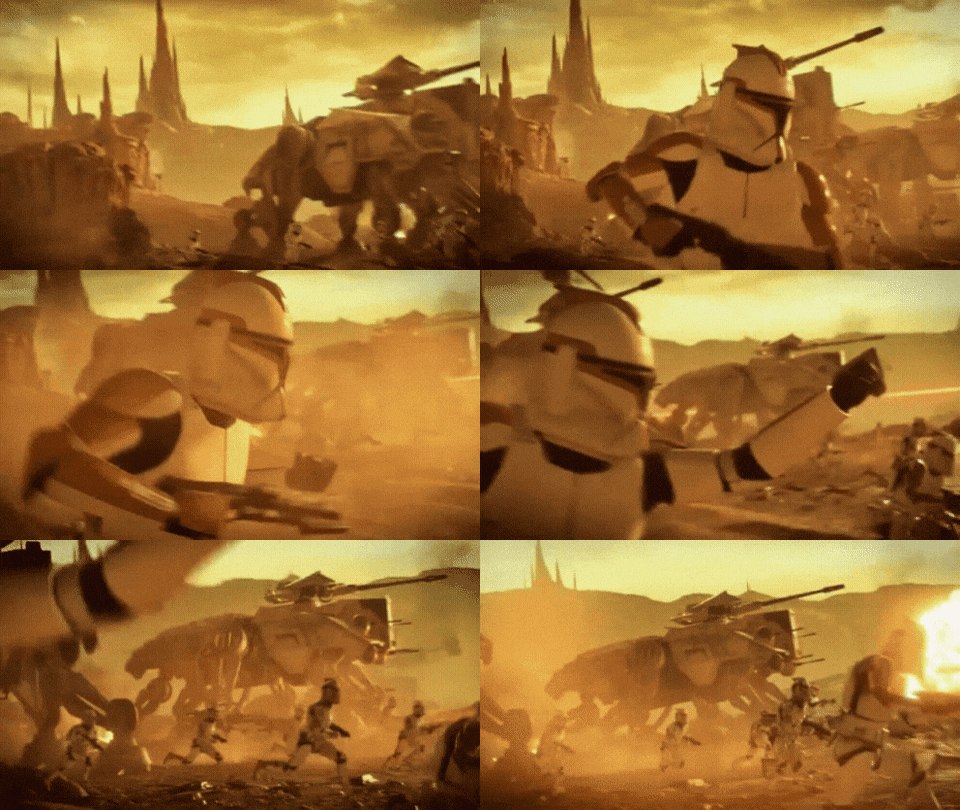
- Star Wars: The Clone Wars (2008 film)
- Star Wars: The Clone Wars (7 seasons, 2009–2020)
These fill in the blanks to bridge the narrative jump between Episodes II and III. The Clone Wars becomes a fully realized conflict, the backstories of central characters are deepened, and the fall in Episode III feels more earned. It also introduces characters and threads that carry into Star Wars Rebels.
The Road to Rogue One
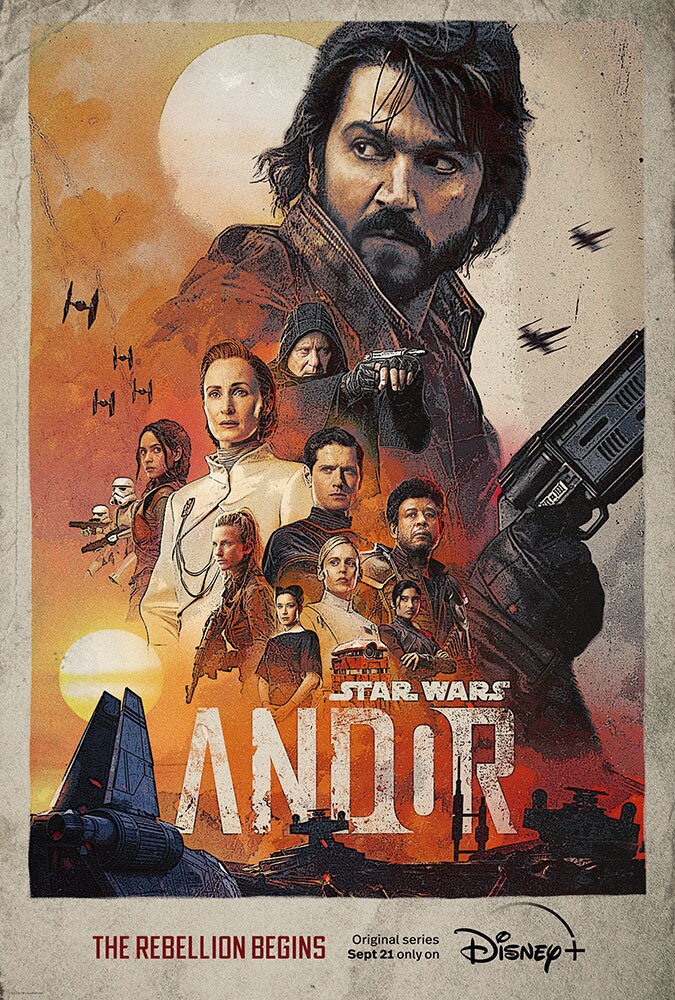
- Andor (2 seasons, 2022–2025)
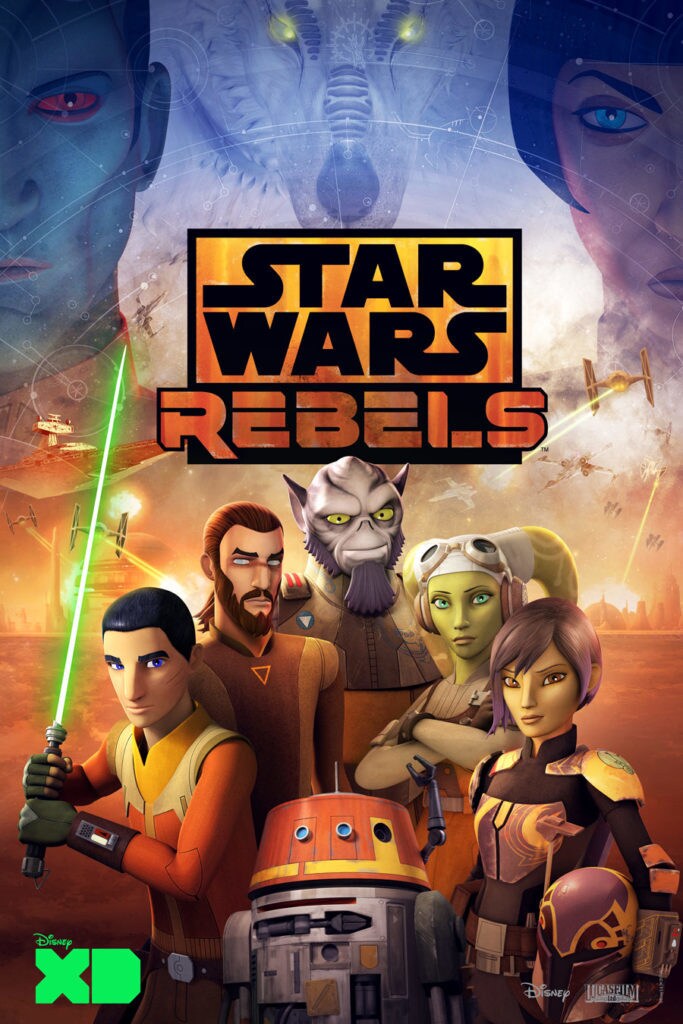
- Star Wars Rebels (4 seasons, 2014–2018)
These both run parallel in the timeline and bridges directly to Rogue One, but in different ways:
- Andor is the stronger, more direct lead-in – grounded, tense, and widely regarded as some of the best Star Wars storytelling to date.
- Rebels is more traditional Star Wars, expanding the Force, the Rebellion, and legacy characters
If you had to pick one: start with Andor. If you want the fuller picture: watch both.
Completely Optional
You don’t need to watch everything to “get” Star Wars – and yes, that includes the sequel trilogy, Episodes VII–IX (although, you’d probably want to watch to make sense of things when you visit Disneyland’s Galaxy’s Edge). The following are all optional; some fun, some divisive, some worth exploring depending on your taste:
- Solo: A Star Wars Story (2018)
- Star Wars Resistance (2018)
- The Mandalorian (2019)
- The Book of Boba Fett (2021)
- Star Wars: The Bad Batch (2021)
- Obi-Wan Kenobi (2022)
- Star Wars: Tales of the Jedi (2022)
- Ahsoka (2023)
- Star Wars: Tales of the Empire (2024)
- The Acolyte (2024)
- Skeleton Crew (2024)
- Star Wars: Tales of the Underworld (2025)
Final Thought
The goal here isn’t to be exhaustive, but to be intentional. This viewing order is meant to take you through the most fascinating and consequential beats of the Star Wars narrative – the bits that made fans go nuts the first time they encountered it.
We hope you enjoy it!

